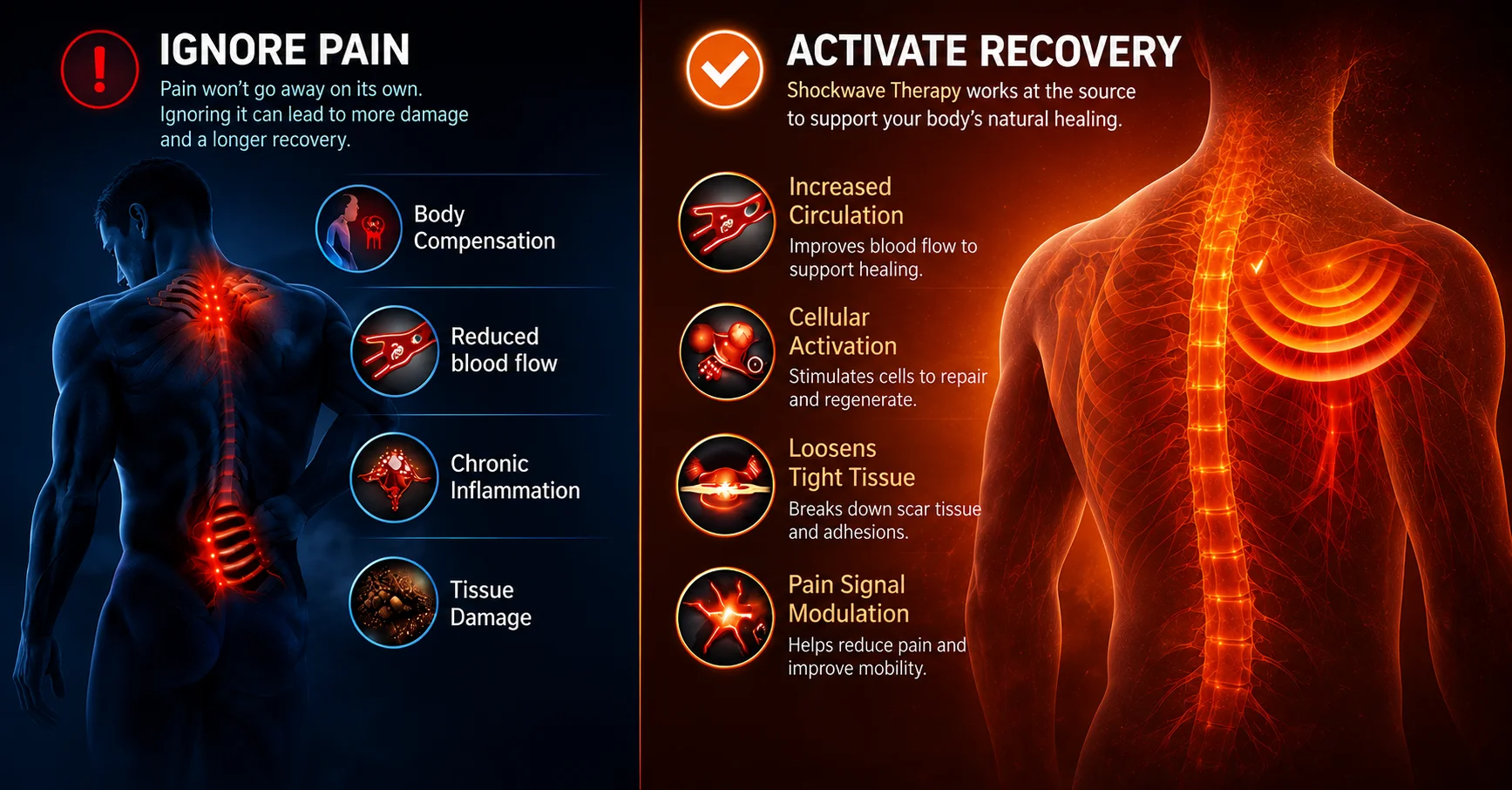
Persistent pain can affect how you move, sleep, exercise, and enjoy everyday life. Shockwave therapy offers a non-invasive approach that may help support the body’s natural healing response for certain musculoskeletal conditions.
Pain has a way of becoming part of your routine. At first, you may only notice it when you exercise, bend down, walk upstairs, or wake up. Over time, you may start changing how you move. You avoid certain activities. You sleep differently. You stop doing things you enjoy. This phenomenon is especially common with ongoing muscle, tendon, and joint problems.
If you’ve been dealing with persistent pain, you may have heard of shockwave therapy. Also known as extracorporeal shock wave therapy (ESWT), it’s a non-invasive treatment that uses acoustic waves to deliver mechanical energy to a targeted area of the body. But what does that actually mean, and could it help with your type of pain? Let’s take a closer look.
What Is Shockwave Therapy?
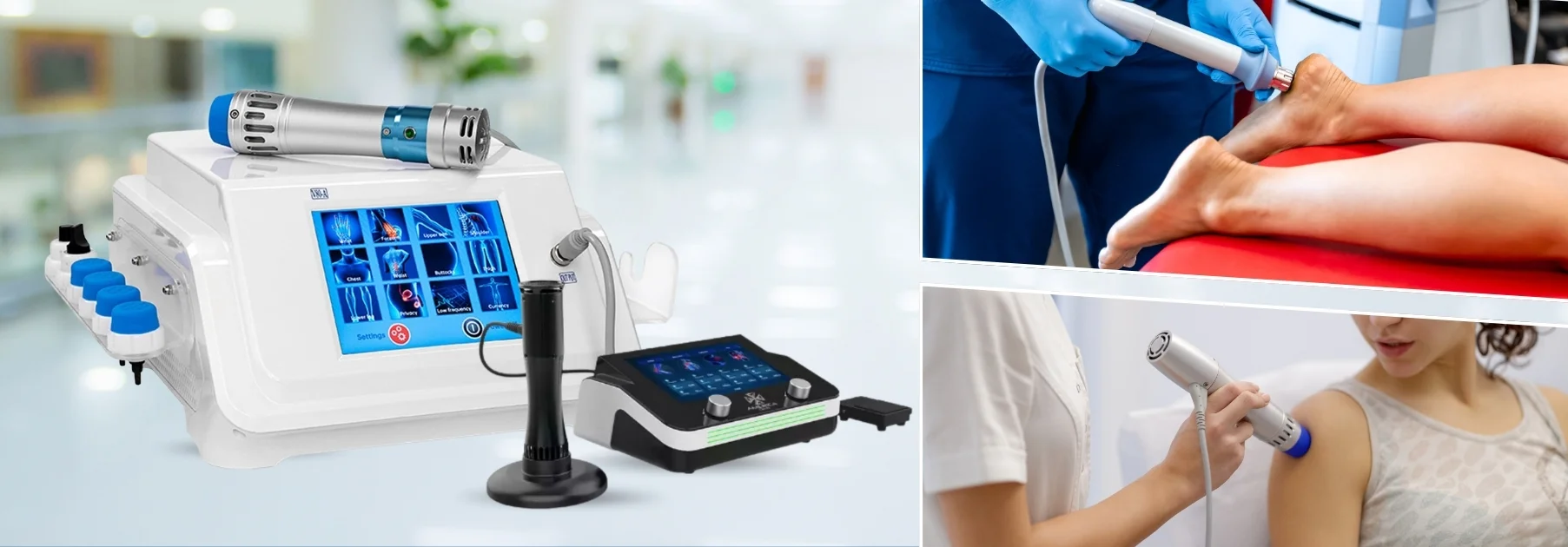
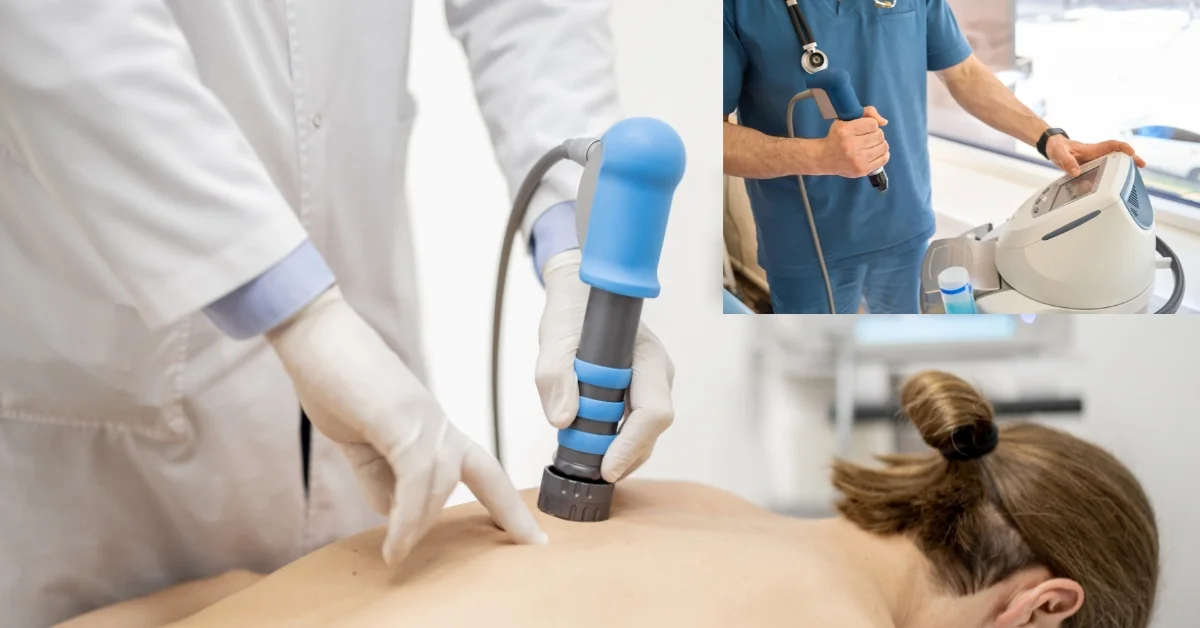
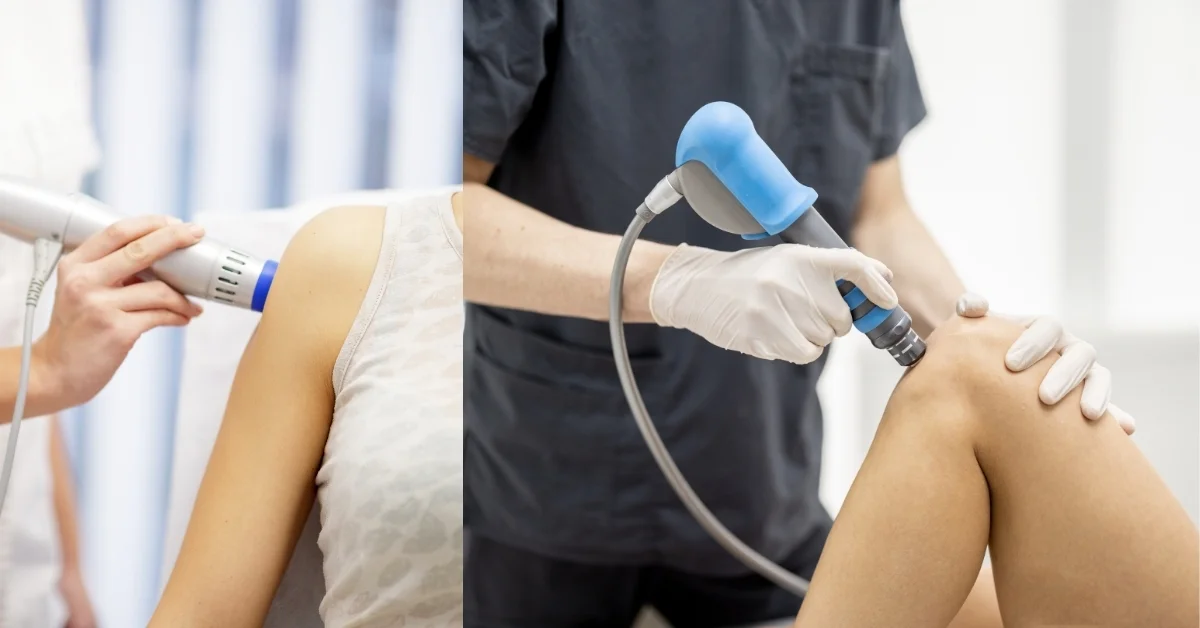
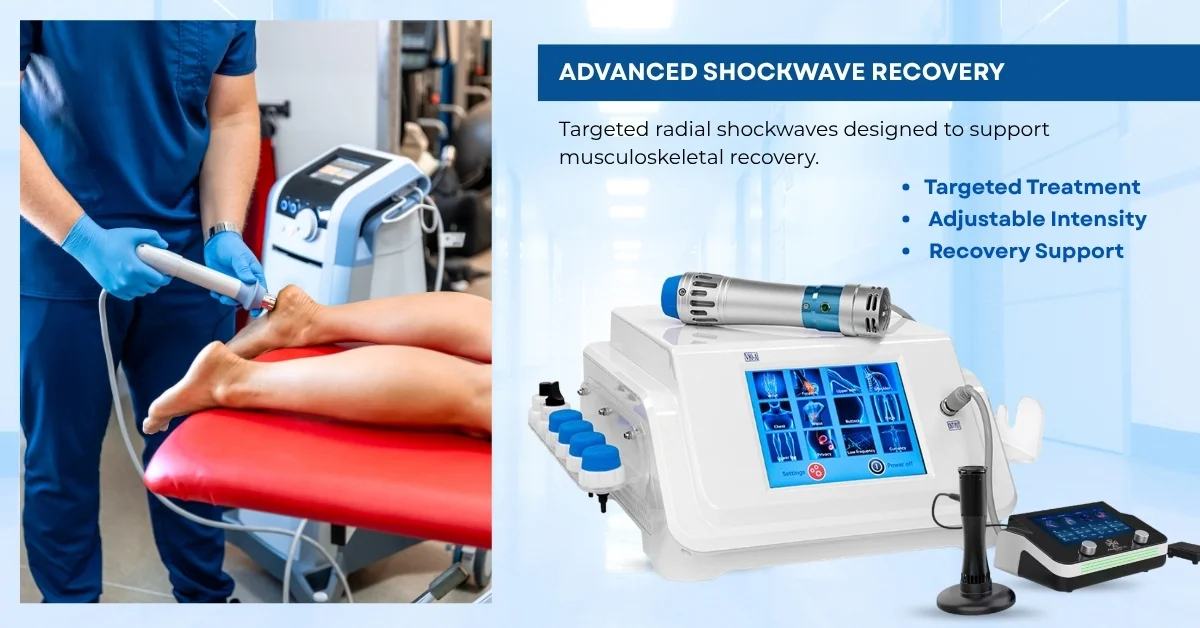
Shockwave therapy uses controlled acoustic waves applied to a specific area of the body through a handheld applicator. The treatment doesn’t involve surgery or injections. Instead, it directs mechanical energy toward the tissues being treated. The goal is to encourage a biological response that supports circulation, tissue activity, and the body’s natural healing processes.
Researchers have studied ESWT for various musculoskeletal problems, including tendinopathies, plantar fasciitis, chronic pain, and osteoarthritis. What makes this treatment stand out is its approach—it doesn’t just mask pain. Instead, it stimulates changes in the treated tissue to promote long-term healing.
Why Does Pain Sometimes Stick Around?
Most people don’t think twice about a little soreness. You might strain a muscle, sleep awkwardly, or overdo it at the gym. Typically, your body recovers, and the discomfort fades. But when an injury or condition lingers, the situation changes.
Persistent pain can change how you move. Someone with knee pain may shift weight to the other leg. A person with shoulder pain may stop reaching overhead. Someone with foot pain may change their walking pattern. These small changes can become habits.
Over time, reduced movement can lead to stiffness, weakness, and loss of mobility. Ongoing pain can also disrupt sleep, exercise, work, and overall quality of life. That’s why it’s worth paying attention when pain keeps coming back or refuses to improve.
How Does Shockwave Therapy Work?
The response to shockwave therapy depends on the condition being treated and the individual receiving care. A key concept is mechanotransduction—the process by which cells respond to mechanical signals. The acoustic waves used during ESWT provide a controlled mechanical stimulus to the treatment area. Research suggests this stimulation may influence local blood flow, cellular activity, inflammation, tissue remodeling, and pain signaling.
Think of it less as forcing the body to heal and more as providing a gentle physical stimulus that encourages the body’s natural repair processes. Shockwave therapy works best as part of a comprehensive treatment plan, not a standalone cure.
Conditions That May Respond to Shockwave Therapy
Shockwave therapy has been studied for a range of musculoskeletal conditions, including:
- Plantar fasciitis and persistent heel pain
- Tendon problems and tendinopathies
- Tennis elbow and overuse injuries
- Shoulder conditions
- Muscle tightness and soft-tissue pain
- Knee osteoarthritis
- Chronic musculoskeletal pain
The evidence is stronger for some conditions than others. For example, ESWT has been extensively studied for plantar fasciitis and tendinopathy, while research continues for other applications. A proper examination is essential to determine if shockwave therapy is right for you.
What About Osteoarthritis?
Osteoarthritis is one of the most common causes of ongoing joint pain. It can make everyday activities like walking, climbing stairs, or exercising uncomfortable. Many people also experience stiffness after sitting or resting.
Shockwave therapy has been studied as a non-invasive option for managing osteoarthritis symptoms. Some research reviews have reported improvements in pain and physical function in people with knee osteoarthritis. However, the evidence isn’t entirely consistent, and researchers are still working to understand which patients benefit most.
For an individual with osteoarthritis, shockwave therapy may be considered alongside other approaches like strengthening exercises, physical therapy, weight management, activity modification, and other treatments recommended by a healthcare professional.
Can It Help With Nerve-Related Pain?
Nerve pain feels different from ordinary muscle soreness. People often describe it as burning, shooting, tingling, stabbing, or an electric-like sensation. In some cases, even light touch can feel uncomfortable. Postherpetic neuralgia is one example—it can develop after shingles and persist long after the rash clears.
There’s growing interest in whether shockwave therapy could play a role in certain types of neuropathic pain. Researchers are investigating possible effects on pain signaling, circulation, inflammation, and tissue responses. However, this area of research is still developing. Shockwave therapy should not be presented as a guaranteed treatment for nerve pain, and persistent neurological symptoms should always be properly evaluated.
What Does a Treatment Session Feel Like?
One of the first questions people ask is, “Does it hurt?” The answer varies. During treatment, you may feel tapping, pulsing, or pressure in the area being treated. Some areas may be more sensitive—especially if the tissue is already irritated. The intensity can be adjusted based on the treatment area and your tolerance.
Sessions are typically short, though the exact length and number of treatments depend on your condition and treatment plan. Some people notice improvements quickly, while others need more time. You may also experience temporary tenderness or discomfort after treatment.
In other words, shockwave therapy isn’t necessarily a “one-and-done” treatment. Recovery depends on the problem being treated and the person receiving care.
Why Is It Often Combined With Exercise or Rehabilitation?
The treatment is an important part of the overall approach. If pain has caused you to move differently for months, simply reducing discomfort may not solve the problem. You may also need to rebuild strength, improve mobility, and gradually return to normal activity.
Real healing happens when shockwave therapy is supported by exercise, stretching, and rehab. For some musculoskeletal conditions, research suggests that combining ESWT with physical therapy or exercise-based treatment may provide additional benefits. The goal isn’t just short-term relief—it’s helping you get back to moving normally and confidently.
Is Shockwave Therapy Suitable for Everyone?
No treatment is right for everyone. Whether shockwave therapy is appropriate depends on the cause of your pain, your medical history, the area being treated, and other individual factors.
A healthcare professional should determine if the treatment is suitable before you begin. This is especially important if you have unexplained pain, significant swelling, numbness, weakness, an infection, or another medical condition contributing to your symptoms. Shockwave therapy should not replace a proper diagnosis. Finding out why you’re experiencing pain is the first step.
Don’t Let Persistent Pain Become Your New Normal
It’s all too simple to get used to pain. You might start saying, “My knee always hurts,” or “My shoulder has been like this for years.” Eventually, you may stop thinking about whether something can actually be done. But persistent pain deserves attention.
Shockwave therapy is one non-invasive treatment that may be useful for certain musculoskeletal conditions. It works by delivering acoustic waves to a targeted area and may support local biological responses involved in circulation, tissue activity, and pain modulation. Research continues to explore its role across different conditions.
Most importantly, treatment should be based on the individual—not just the symptom. If pain is limiting your movement, exercise, work, sleep, or everyday life, consider speaking with a qualified healthcare professional. A proper evaluation can help identify the source of the problem and determine whether shockwave therapy, rehabilitation, or another approach makes sense for you.
You don’t have to accept ongoing pain as something you simply have to live with.
Is Shockwave Therapy Right for You?
Don’t let ongoing pain become your everyday experience. Contact Bender Chiropractic Center today to schedule a consultation and find out if shockwave therapy can help you get back to living pain-free.